
Embracing the Steak Dinner: More Than Just a Treat
For many, a steak dinner signifies a special occasion or a hearty indulgence. However, when thoughtfully prepared and accompanied by a variety of nutritious sides, a steak dinner can be a truly balanced and beneficial meal. Far from being an unhealthy choice, red meat, particularly lean cuts, offers a powerhouse of essential nutrients that are vital for our health and well-being. The key lies in understanding how to pair your protein with complementary ingredients to create a complete and wholesome plate.
This article will explore the nutritional value of a well-rounded steak dinner, highlighting the benefits of each component and providing tips for incorporating this classic meal into a healthy lifestyle.
Nutritional Powerhouse: What a Steak Dinner Offers
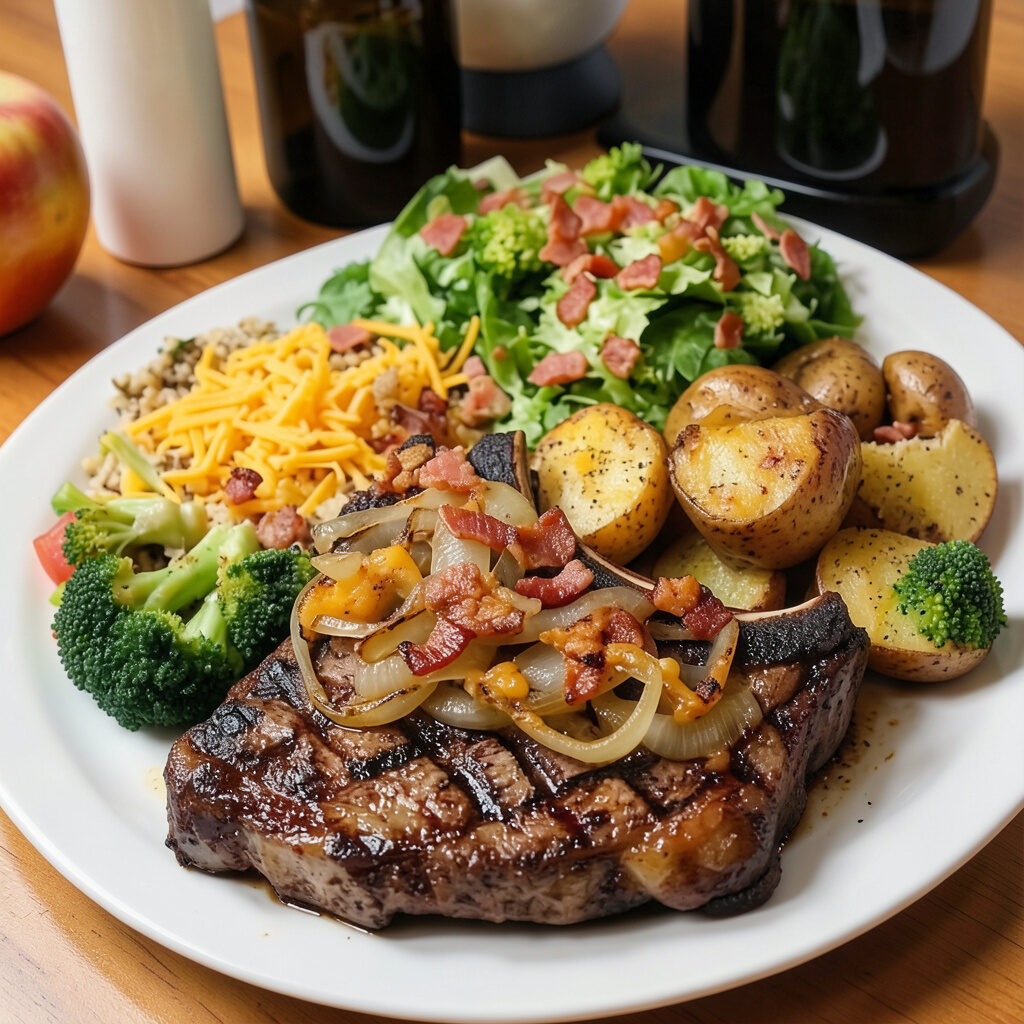
A balanced steak dinner, like the one pictured with grilled steak, roasted potatoes, a fresh salad, broccoli, and a grain base, brings a wide array of nutrients to your table. Each element plays a crucial role in contributing to your daily dietary needs.
The Star: Steak (Red Meat)
Steak, a primary source of protein, is fundamental for muscle repair, growth, and overall bodily function. Beyond protein, red meat is an excellent source of highly bioavailable iron, which is essential for oxygen transport in the blood and preventing iron-deficiency anemia. It also provides significant amounts of B vitamins (B6, B12, niacin, riboflavin), which are crucial for energy metabolism and nervous system health. Zinc, another vital mineral found in steak, supports immune function and wound healing. While the image shows a well-done steak, adjusting cooking preferences can also influence nutrient retention and palatability.
Carbohydrates for Energy: Roasted Potatoes and Grains
Roasted baby potatoes offer complex carbohydrates for sustained energy, along with dietary fiber, potassium, and vitamin C. The grain base, whether rice or quinoa, further enhances the meal’s carbohydrate content, providing additional energy and often fiber, which aids in digestive health. Quinoa, in particular, is a complete protein, offering all nine essential amino acids, making it a valuable addition to any meal.
Vitamins and Fiber: The Vibrant Vegetables
The green salad, rich in leafy greens and tomatoes, provides an abundance of vitamins (A, C, K), minerals, and antioxidants. These components are crucial for immune support, vision, and skin health. Broccoli florets are a cruciferous vegetable known for their high vitamin C and K content, as well as fiber and various beneficial plant compounds that may support cellular health and detoxification processes.
Healthy Fats and Flavor: Toppings and Dressings
While the image shows bacon bits and shredded cheddar cheese, which add flavor and some fats, it’s important to consider these in moderation as part of a balanced diet. Caramelized onions, as seen on the steak, add natural sweetness and prebiotics, which can support gut health. Choosing healthy fats in salad dressings, such as olive oil-based options, can further enhance nutrient absorption and provide beneficial fatty acids.
How a Balanced Steak Dinner Supports Your Health
Incorporating a well-composed steak dinner into your diet can offer several health benefits:
- Muscle Maintenance and Growth: The high-quality protein in steak is essential for building and repairing muscle tissue, which is particularly important for active individuals and healthy aging.
- Energy Production: The combination of protein, complex carbohydrates, and B vitamins ensures a steady release of energy, helping to prevent energy crashes and support daily activities.
- Immune System Support: Zinc and various vitamins found in the meal play a critical role in maintaining a robust immune system, helping your body ward off illness.
- Digestive Health: The fiber from vegetables, potatoes, and grains promotes healthy digestion and can help prevent constipation.
- Nutrient Absorption: Pairing iron-rich steak with vitamin C-rich vegetables (like broccoli and tomatoes) enhances the absorption of non-heme iron from plant sources.
- Satiety and Weight Management: The protein and fiber content in this meal contribute to a feeling of fullness, which can help in managing appetite and supporting healthy weight management goals.
Practical Tips for a Healthier Steak Dinner
To maximize the health benefits of your steak dinner, consider these practical tips:
- Choose Lean Cuts: Opt for leaner cuts of steak such as sirloin, flank, or tenderloin to reduce saturated fat intake.
- Portion Control: Be mindful of portion sizes for steak and richer toppings like bacon and cheese. A standard serving of meat is typically 3-4 ounces.
- Load Up on Vegetables: Make vegetables the star of your plate. Aim for at least half your plate to be filled with non-starchy vegetables like the generous salad and broccoli shown.
- Smart Cooking Methods: Grilling, roasting, or broiling are healthier cooking methods for steak and vegetables, reducing the need for excessive added fats.
- Whole Grains: If using grains, choose whole grains like quinoa, brown rice, or farro for increased fiber and nutrient content.
- Mindful Toppings: While delicious, use bacon bits and cheese sparingly. Consider healthier alternatives or use them as a garnish rather than a main component.
- Balanced Plate: Always aim for a plate that includes a lean protein, complex carbohydrates, and plenty of colorful vegetables.
Important Considerations
While a steak dinner can be a healthy choice, individual dietary needs and health conditions vary. If you have specific health concerns, such as high cholesterol, heart disease, or dietary restrictions, it’s always best to consult with a qualified healthcare professional or a registered dietitian. They can provide personalized advice on how to incorporate red meat and other foods into your diet safely and effectively.
Frequently Asked Questions About Steak Dinners
Q: Is red meat truly healthy?
A: Yes, in moderation and as part of a balanced diet, red meat can be very healthy. It’s an excellent source of essential nutrients like iron, B vitamins, and zinc. The key is choosing leaner cuts and balancing it with plenty of vegetables and whole grains.
Q: How can I make my steak dinner more heart-healthy?
A: To make your steak dinner more heart-healthy, choose lean cuts of beef, trim any visible fat, and use grilling or roasting methods. Pair it with a large portion of non-starchy vegetables and whole grains, and limit high-fat toppings like excessive cheese or bacon.
Q: What’s the best way to cook steak for health?
A: Grilling, broiling, or pan-searing with a minimal amount of healthy oil are generally good choices. These methods allow fat to drip away and avoid excessive added fats. Cooking to your preferred doneness while ensuring food safety is also important.
Q: Can a steak dinner fit into a weight management plan?
A: Absolutely. The high protein content of steak can promote satiety, helping you feel full longer and potentially reducing overall calorie intake. By focusing on lean cuts, proper portion sizes, and abundant fibrous vegetables, a steak dinner can be a satisfying part of a weight management plan.
Final Thoughts
A steak dinner doesn’t have to be an occasional indulgence laden with guilt. By understanding the nutritional contributions of each component and making conscious choices about preparation and portion sizes, you can transform this classic meal into a highly nutritious and delicious part of your regular healthy eating routine. Enjoy the rich flavors and robust nutrients that a well-balanced steak dinner brings to your table, supporting your health and satisfying your palate.